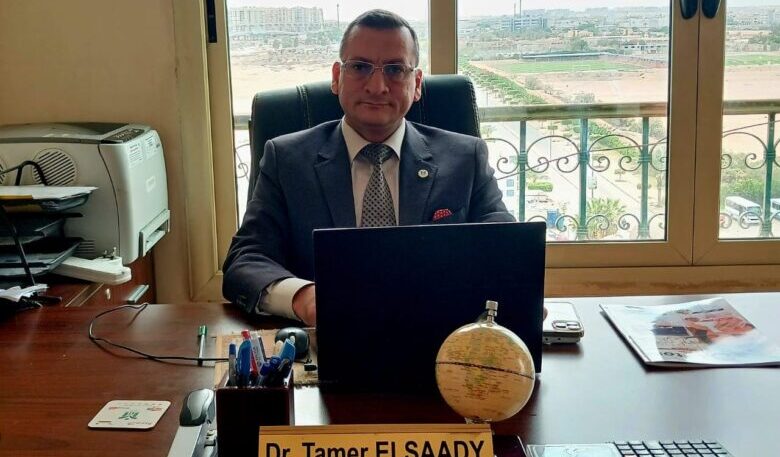
Dr. Tamer Mohamed El-Saady stated that the pharmaceutical and dietary supplement industries are facing complex economic and geopolitical challenges that have directly impacted production costs and global supply chains. He explained that rising freight rates, currency fluctuations, and difficulties importing raw materials have created a new reality for the sector.
El-Saady pointed out that Egypt’s pharmaceutical industry relies heavily on imported raw materials. This dependency leaves the sector highly vulnerable to global disruptions and foreign exchange volatility, which ultimately affects the final cost of products for both companies and consumers.
He further explained that small and medium-sized enterprises (SMEs) face an even greater challenge due to the high costs of research and development (R&D), which is essential for maintaining competitiveness. He noted that some companies risk losing market share or exiting the market entirely if they fail to keep pace with global developments.
Consequently, El-Saady called for mergers and strategic partnerships among SMEs, emphasizing that “unity is strength” and that cooperation has become essential for developing the industry and withstanding global economic crises.
Additionally, he highlighted prolonged registration periods for pharmaceutical products and dietary supplements as one of the most significant regulatory challenges. He attributed these delays to the high volume of applications submitted to the relevant authorities and the shortage of specialized personnel.
He concluded by calling for the modernization of regulatory systems, the streamlining of registration procedures, and stronger cooperation between the public and private sectors to enhance the competitiveness of Egypt’s pharmaceutical industry.
We are a leading pharmaceutical and healthcare solutions provider, delivering high-quality products and building strategic partnerships across the MENA region.